
What Does Acupuncture Feel Like? A First-Time Patient Guide
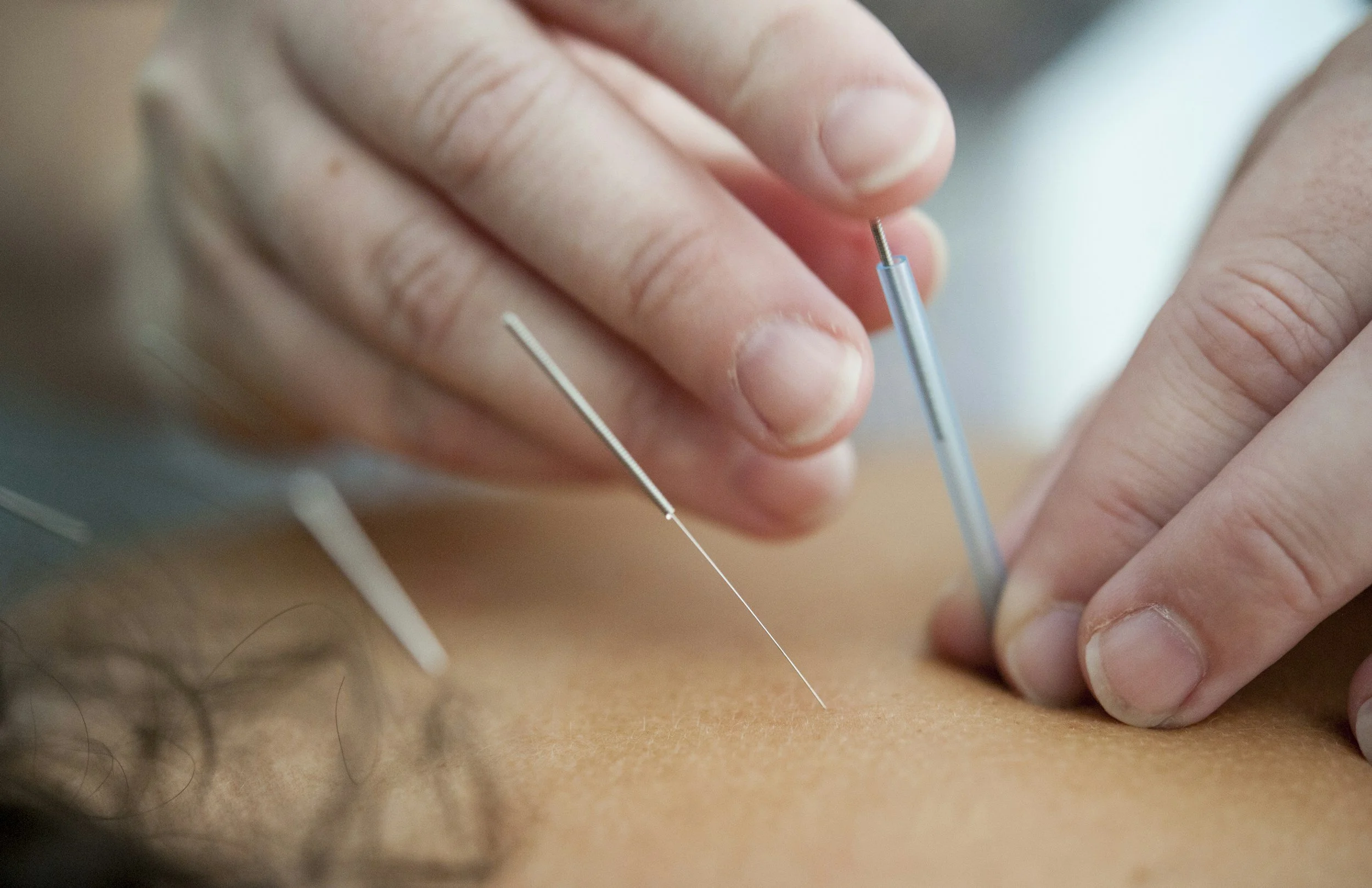
TLDR: Turns out, acupuncturists aren’t so scary after all. Your comfort is core to their practice.
Acupuncture shouldn’t hurt! And it might even feel… blissful.
The first time I had acupuncture, I didn’t even know it was going to happen.
I was in my mid twenties, and after a brief discussion with a colleague about my health, she told me to go see a practitioner she had seen recently. I didn’t know she was referring to an acupuncturist; I just booked an appointment with no further info. Whether that’s because it wasn’t customary to do a hundred Google searches before everything back then, or because my colleague had enough conviction in her recommendation that it just ‘felt right’, I don’t know. Regardless, I’m not sure I even really knew what acupuncture was.
Fast forward to the appointment, and I’m lying down with needles in me. This is different! But I was into it.
How did it feel? To be honest, it felt… blissful. I felt a bit euphoric. I didn’t yet understand it intellectually, but my body understood it physiologically. It felt like a full body ‘yes’. A coming home to myself.
If I had known I was going to receive acupuncture, I might have been apprehensive to the point (pun intended) of talking myself out of it. I might not have gone to the appointment. I might not have become the acupuncturist I am today.
Now, as an acupuncturist for over 10 years, I love when people come to see me who have never had acupuncture before. I always make sure to address any fears, set expectations, and calm nerves if needed.
What does acupuncture feel like? There are actually two parts to this question. One is: What does it feel like when the acu-needles are inserted? I.e. Does it hurt? And the other is: What does it feel like after the needles are in? Let’s break it down…
Does Acupuncture Hurt?
The short answer is no. There are various styles of acupuncture, with varying degrees of intensity. But the way I practice, no, it shouldn’t hurt. (Phew, right?)
That’s not to say you won’t feel anything at all. It’s common to feel some sensation around a needle. A tiny pinch, a twitch, or a ripple of energy through the area. But people often say, “I didn’t even feel it go in!” after the insertion.
If there are points I think might be more tender, I let people know and I time the needling with their breath (it really helps, especially when there is some fear of needles). Then, if there is any sensation upon needling, it usually dissipates after a breath or two. And guess what? If anything does remain uncomfortable, just let us acupuncturists know. Despite the fact that we poke you with needles, acupuncturists aren’t too scary
What does Acupuncture feel like After the Needles are in?
This also varies, and is very individualized. Even in the same individual, it can depend on the day, and on the treatment itself. However, here are a range of experiences that my patients commonly report:
It feels relaxing, at the very least. (I mean you’re lying down in the middle of the day, just that alone is a real treat for most people!)
It can feel warming. It can feel cooling. It can feel like waves, like a subtle, pulsing energy through your cells. It can feel like surrender.
It can feel similar to a deeply meditative state, that tranquil space between wakefulness and sleep. Many, many people do sleep (I believe the highly scientific term is ‘acu-nap’). Some experience colour. Some, peace. Some, a returning home to oneself.
These states of being are the result of the acupuncture engaging your parasympathetic nervous system - the rest, digest and repair state of our nervous system. A state that is often starved in our fight-or-flight, overstimulating culture. It’s wonderful to remember this feeling exists within ourself. There is nothing in the acupuncture needles; they are simply activating your body’s innate healing capacity.
Ahhh, what a relief.